Smoke and CO devices, electrical, plumbing function, doors and windows, surfaces, and the small failures residents have learned to live around.
REAC / NSPIRE inspections
Inspection day should feel like a formality.
A dedicated FMD team, assigned to your community, whose only work is to make the official walk unsurprising — then to stand in the building when it happens.
The protocol
NSPIRE rewards buildings that were kept, not buildings that were hurried.
The National Standards for the Physical Inspection of Real Estate shifted the gaze from cosmetic deduction toward health, safety, and the condition of the unit as a dwelling. That is a more humane standard — and a less forgiving one for properties that have been managing by exception.
FMD prepares owners of government housing programs, and conventional multifamily portfolios that hold themselves to the same bar. We do not “inspect for show.” We inspect as the official walk will inspect, then we repair what that walk would find.
Life-safety is not a category. It is the whole argument.
90+
The band we plan the work toward
What we actually look at
Three rooms of attention. Infinite details.
Egress, lighting, stairs, laundry, community rooms, and the corridors that tell the inspector how the rest of the file was kept.
Grounds, building envelope, trash, and the mechanical spaces that decide whether a finding is a note or a life-safety event.
Dedicated crew
A team whose calendar is your inspection date.
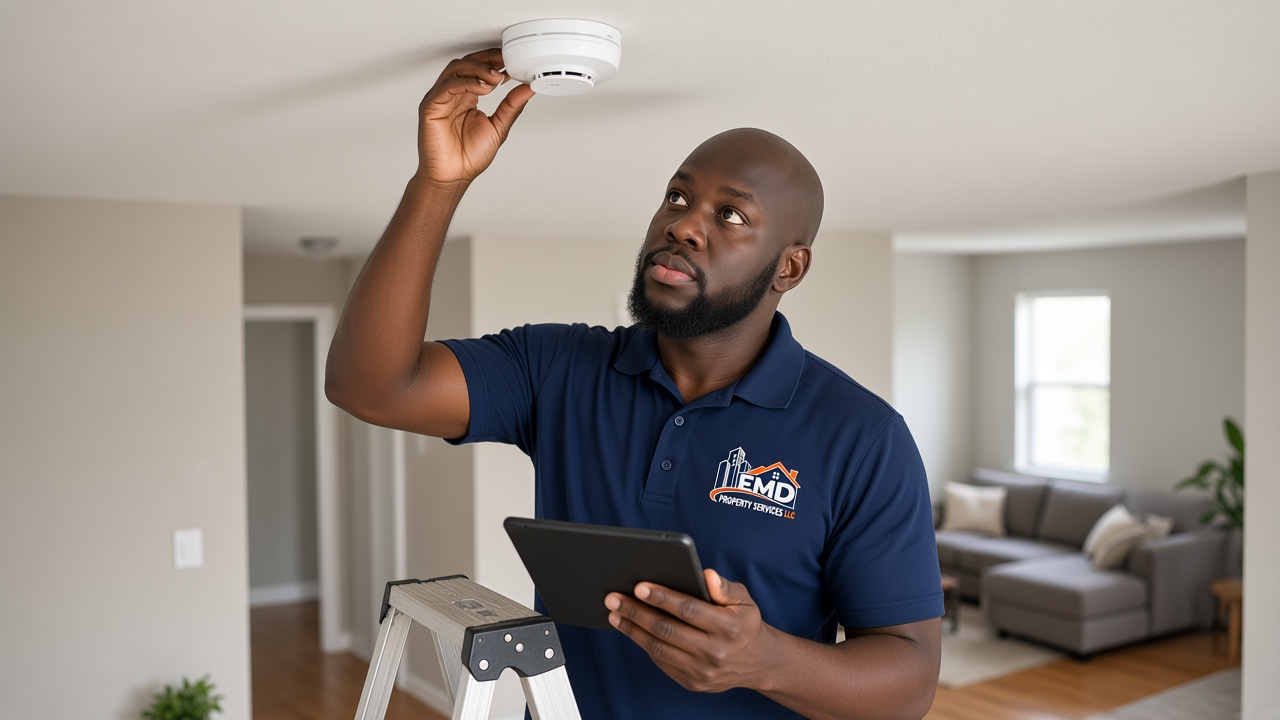
We assign FMD to a HUD property — or a set of them — so the work is not stolen from your Tuesday work orders. The principal you see here walks units with a tablet, not a script: detectors, wet rooms, kitchens, and the corners that decide a sample.
When repairs are required, the same firm does them. Plumbing, bathrooms, kitchens, paint, and the final clean are not handed to a stranger who never saw the punch list. Continuity is how findings stay closed.
On inspection day we can return to walk the property with the official inspector — the same eyes that wrote the list, still in the building.
Method
From first walk to last signature.
Assess
A full NSPIRE-minded walk. No inherited punch list from three seasons ago.
Prioritize
Life-safety first, then the defects that compound, then presentation.
Close
Trades on site, evidence filed, vacant units treated as if they will be sampled.
Accompany
Inspection morning: spaces presented, leadership present, surprises already spent.
Begin
Give us the inspection window.
We will tell you what the remaining days can honestly hold — and what they cannot.